Forklift Trucks for Material Handling
Compare forklift truck categories by load, lift, route, power source and working surface. JinChengYu uses your application details to discuss a documented catalogue group and prepare a configuration-specific quotation.
Discuss your handling job ↗Choose a forklift truck by the job
A forklift enquiry should begin with the load rather than a preferred model. Record the heaviest regular load, its dimensions and the load centre if known. Add the highest placement point, the lowest clearance beneath a doorway or ceiling, and any attachment. A rated capacity label cannot answer all of those questions by itself.
Now trace the route. Measure the narrowest aisle, tightest turn and any threshold, ramp or gradient. Describe the floor or outdoor surface and note whether the truck moves between indoor and outdoor areas. Include typical daily operating hours and busy periods. This information gives the quotation a real application against which a model can be checked.
Photos, a pallet drawing or a simple route sketch are useful when the load or site is unusual. If a figure is still undecided, mark it as pending. Avoid filling gaps with an assumed size merely to obtain a fast price; that usually creates a quotation that is difficult to compare.
Compare power and terrain categories
Electric forklift discussions should include the battery, matched charger, available electrical supply and operating schedule. Diesel enquiries should identify the outdoor task, ground, engine-document needs and destination. LPG, propane or gas forklift enquiries need the fuel arrangement, work area and site-specific review of ventilation, emissions and local requirements.
Rough terrain forklifts are a separate route for outdoor handling where surface, gradients and access shape the choice. A telehandler is also a separate category: it adds a forward-reach question and requires the exact load position and model load chart. Describe the task before deciding which label fits it.
JinChengYu does not apply one runtime, emissions, fuel-saving, warranty or compliance claim across every truck. Request the exact proposed model, power configuration and documentation in the written offer. The buyer should assess the intended workplace and applicable local rules.
Match the load, mast and working route
Keep lift height and lowered mast height separate. One describes the required fork position; the other helps determine whether the truck can pass beneath a restriction. A sideshift, clamp or another attachment can move the load centre and affect the usable capacity, so identify it before a truck is proposed.
Long material may lead to a side loader enquiry because the load dimensions and storage layout differ from a standard pallet route. Warehouse movement may instead call for a pallet truck, stacker or another warehouse format. Describe pickup, travel and final placement in sequence so each movement can be matched to the right category.
The HSE lift-truck guide linked below is an independent reference for general selection and workplace safety questions. It does not certify a JinChengYu configuration or replace the model manual, operator training, local law or a site-specific assessment.
- Load weight, dimensions and load centre
- Lift height and lowest overhead clearance
- Aisle, turning area, gradients and surface
- Attachment and power-source requirements
New, used and attachment enquiries
For a new truck, request the current model sheet and identify which options are included. For a used forklift, request one machine at a time with current photographs, machine identity, year, recorded hours and an inspection description. This website does not present a live stock list, and an illustration does not confirm present availability or condition.
An attachment enquiry should identify the host truck as well as the load. Send the truck model and plate, carriage or interface details, hydraulic information where relevant, and clear photographs. Capacity alone does not prove compatibility. Ask for the proposed truck-and-attachment combination to be confirmed in writing.
Historical brand references do not establish authorized dealership status. Any warranty, inspection, service, lead time or commercial coverage must be stated for the exact new or used unit in the quotation.
Prepare a useful quotation request
Bring the technical and commercial inputs into one message: application, load, lift and clearance measurements, route, surface, daily use, preferred power source, attachment, quantity and destination. Include the delivery country or port and list any documents that need review before the purchase decision.
The reply should identify the proposed model and configuration. Confirm its specifications, current availability, included items, documentation, packing, shipping scope and commercial terms. When comparing offers, use those model-specific records rather than a family name or a general website statement.
JinChengYu provides an equipment-supply and enquiry route. The content does not claim that every catalogue group is in stock, that the company manufactured every item, or that one configuration meets every market’s rules. Those points must be established for the actual offer.
Forklift truck categories
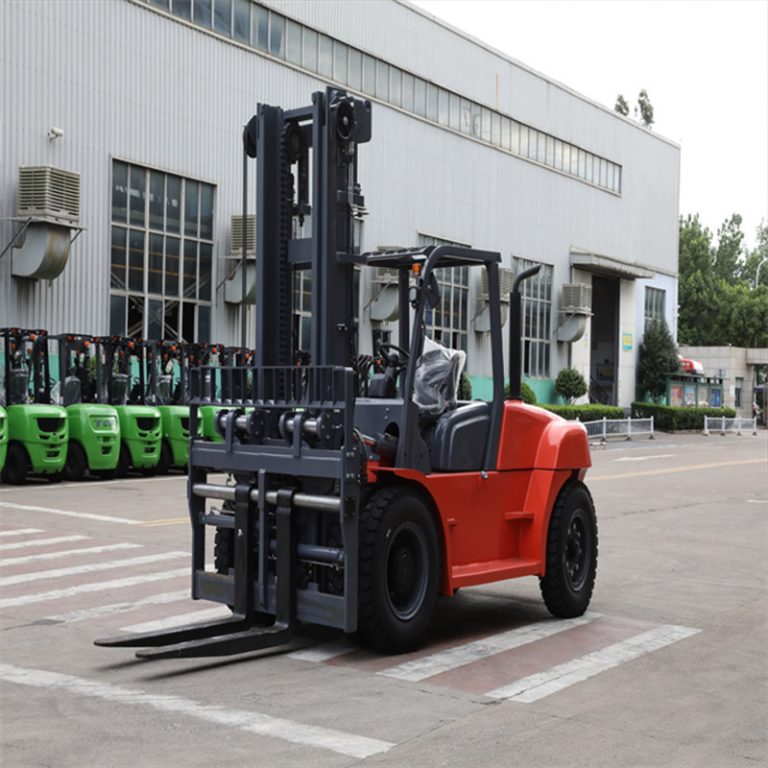
Diesel forklifts
Plan your next outdoor handling job around the load, the lift and the working surface. Explore diesel forklift configurations with JinChengYu.
Explore requirements ↗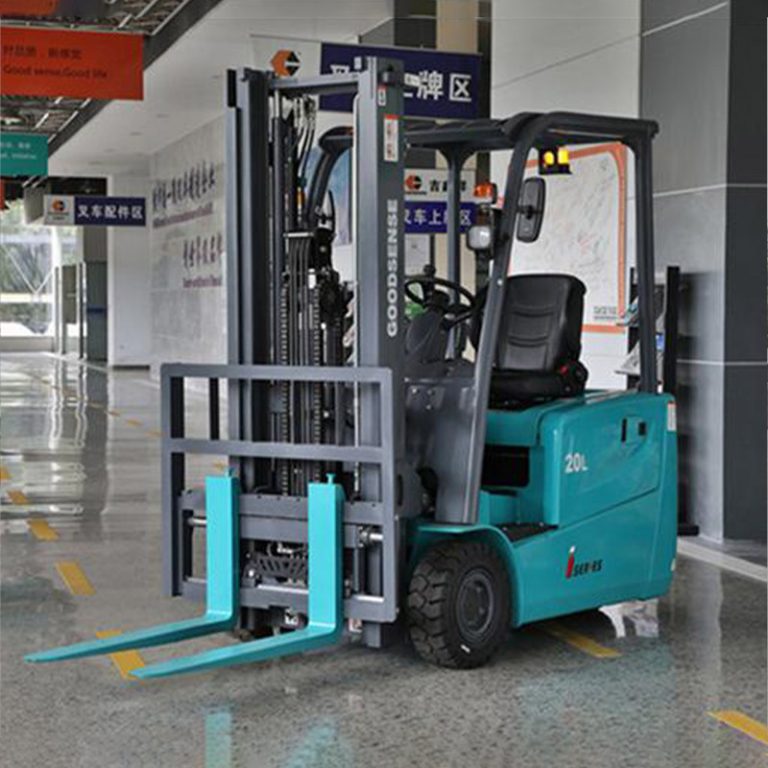
Electric forklifts
Discuss electric counterbalance forklifts for your handling operation, with battery, charging and mast requirements considered together.
Explore requirements ↗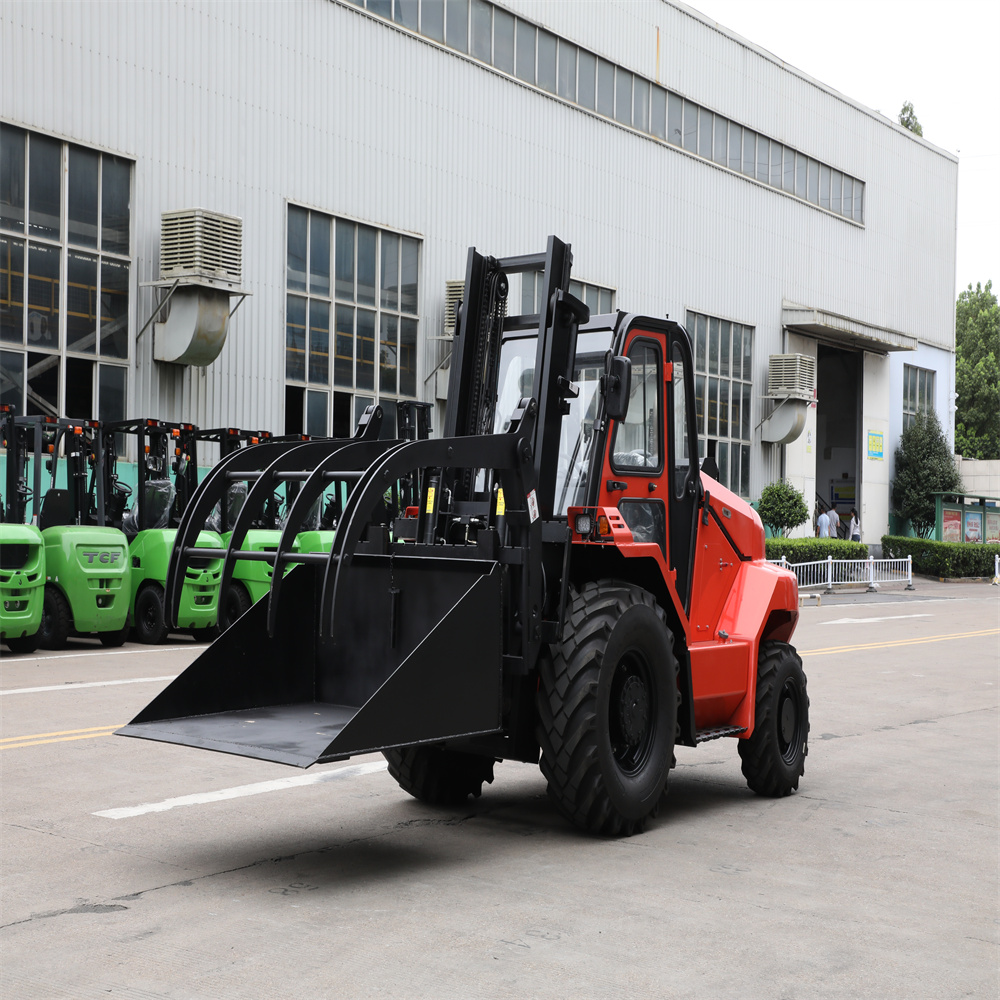
Rough terrain forklifts
Equipment enquiries for outdoor handling where the ground and site access shape the choice of forklift.
Explore requirements ↗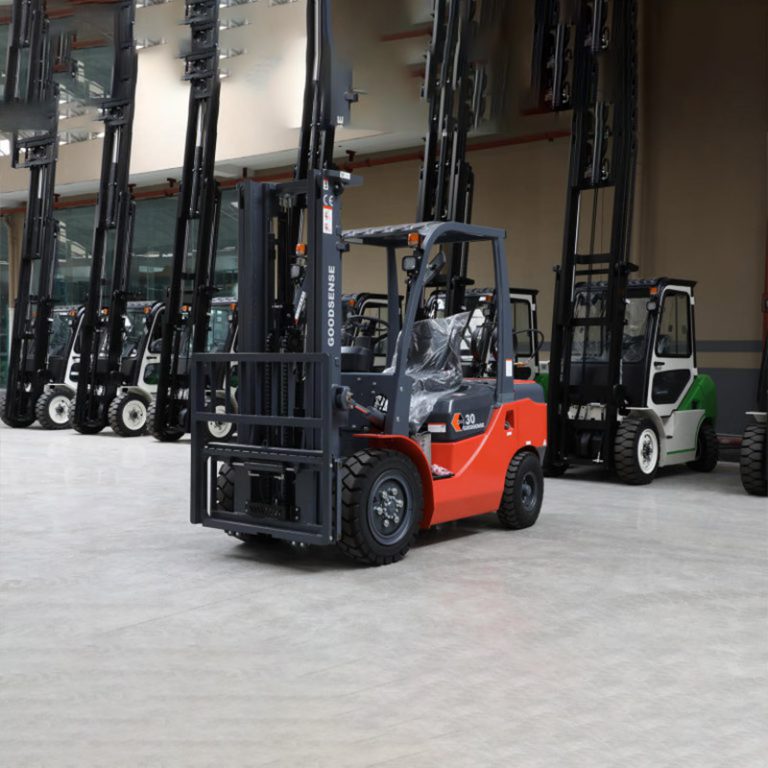
LPG / propane forklifts
Explore LPG forklift configurations, also commonly described as propane forklifts by buyers in the United States.
Explore requirements ↗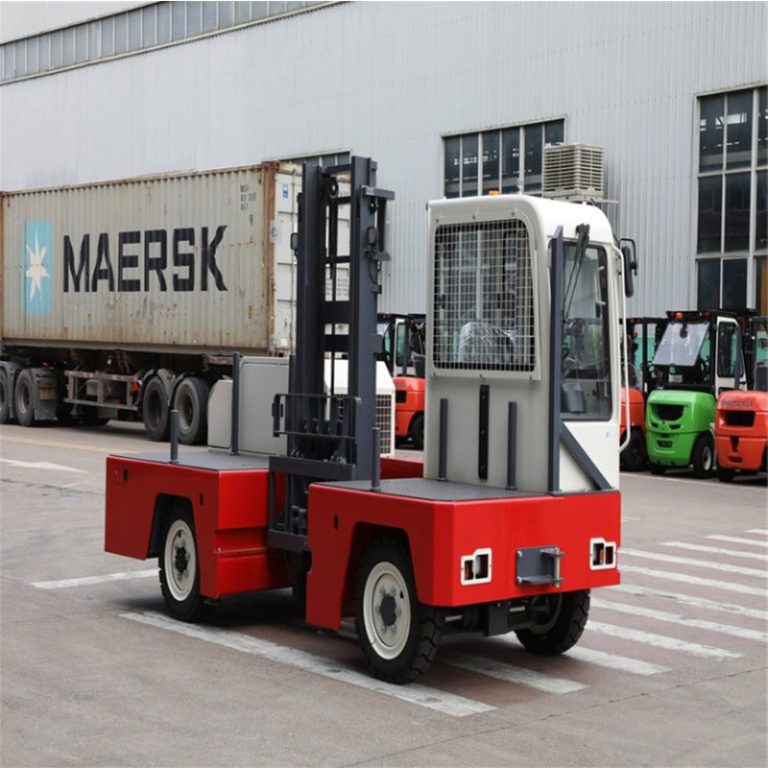
Side loader forklifts
Discuss side loader forklifts for long loads, including the material dimensions, storage layout and travel route.
Explore requirements ↗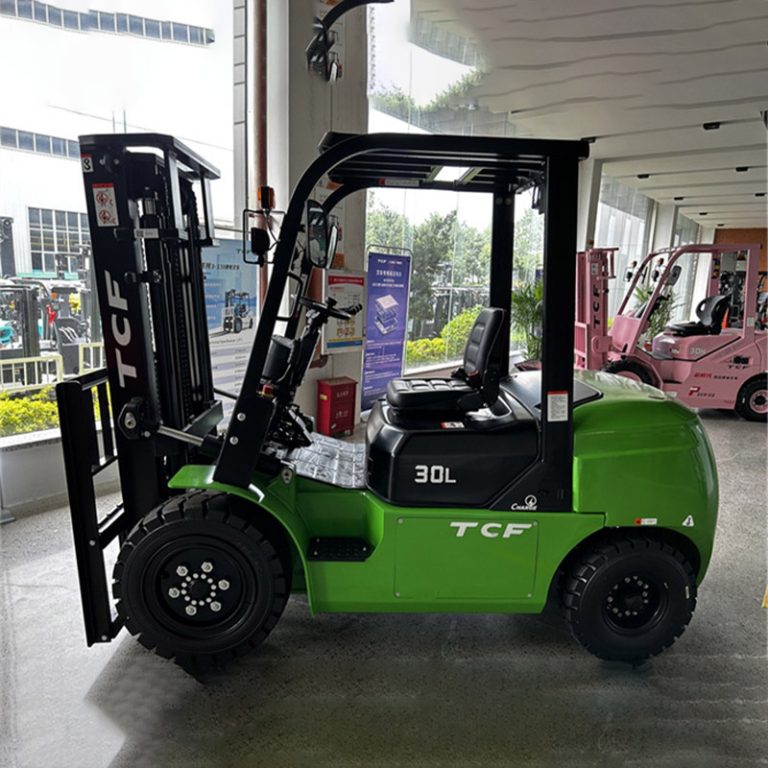
Used forklifts
Ask about used forklift availability against your load, budget and destination. Each machine needs its own condition and availability check.
Explore requirements ↗Questions before you enquire
Which forklift truck category should I start with?
Describe the load, lift, route, surface and operating pattern first. Then compare electric, diesel, LPG, rough terrain, side loader or used-equipment routes against that job.
Are all catalogue models currently available?
No. Catalogue groups organize enquiries. The exact model, configuration and availability must be confirmed in a current written quotation.
What information should I send for a forklift quotation?
Send load weight and dimensions, load centre, lift and mast-clearance requirements, aisle or site route, surface, duty cycle, power preference, attachment, quantity, destination and requested documents.
General safety reference
This independent source supports the buyer-planning questions above. It is not evidence of product certification or destination compliance.