LPG and Gas Forklifts
Buyers may search for LPG, propane or gas forklifts. Whatever term you use, the enquiry should identify the fuel arrangement, load, lift height, work area, duty and destination for a model-specific discussion.
Discuss this equipment ↗Define the handling task
Start with the load weight, dimensions and load centre if known. Add the highest placement point, lowest mast clearance and any attachment. Describe the travel route, gradients, surface and daily operating pattern. These factors belong in the selection before fuel type is treated as the deciding feature.
Explain whether the truck will work indoors, outdoors or between both areas. Do not use the category name as proof that a configuration is suitable for an enclosed workplace. Ventilation, emissions, fuel handling, traffic controls and local rules need a site-specific review by the buyer.
Catalogue options to discuss
- 1.5 / 1.8 t catalogue group
- 2 / 2.5 t catalogue group
- 3 / 3.5 t catalogue group
Review LPG catalogue groups
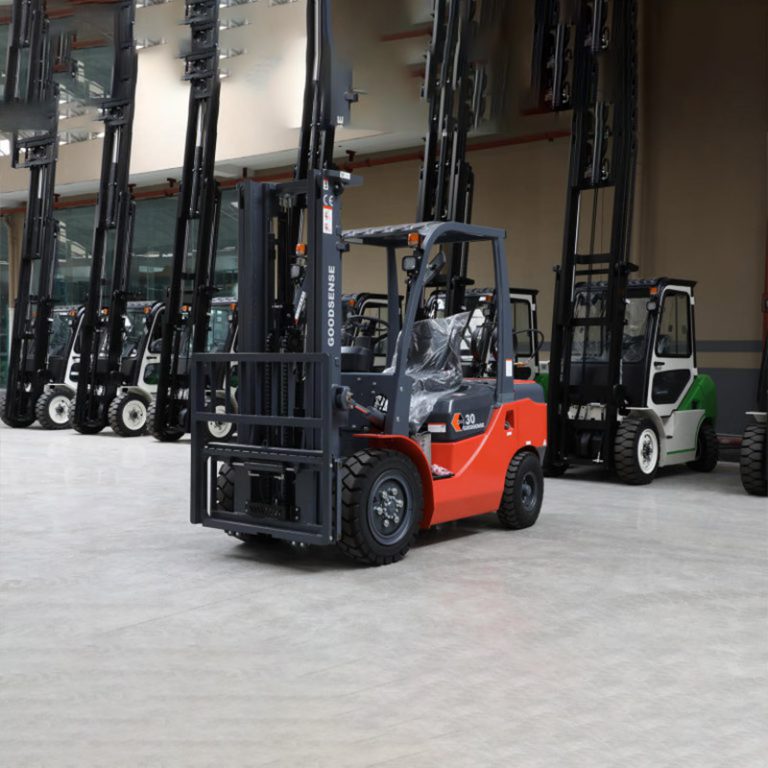
The verified JinChengYu material includes separate 1.5 and 1.8 tonne, 2 and 2.5 tonne, and 3 and 3.5 tonne LPG catalogue groups. These documented groups can be named in an enquiry. They do not mean that every model or configuration is currently available.
Capacity remains only one part of the comparison. Ask for the load centre, mast, lowered height, tyre, attachment, engine and fuel-system information for the exact proposed model. Keep every figure attached to that model rather than extending one group’s information across the whole LPG range.
- Fuel supply arrangement
- Load and lifting height
- Indoor and outdoor operating conditions
- Destination and requested documentation
Check fuel and operating conditions
Describe the locally available fuel and any required cylinder or supply arrangement. Ask the offer to identify the engine and fuel system, included components and operating instructions. Destination requirements can vary, so list requested documents instead of assuming a catalogue configuration automatically meets them.
The HSE lift-truck guidance linked below is included as general workplace safety reading. It discusses selection, maintenance and operating controls. It does not certify a JinChengYu truck, authorize indoor operation or replace the manufacturer’s instructions and the requirements that apply at the buyer’s site.
Compare LPG, diesel and electric options
If the power choice is still open, compare the operating environment, shift pattern, charging access, fuel supply and route. An electric truck has battery and charger questions; a combustion truck has engine, fuel and emissions questions. Bring the same load, mast and access data to each comparison.
Avoid blanket conclusions about cost, runtime or emissions. Those outcomes depend on the proposed model, local energy or fuel arrangements and actual use. Request configuration-specific information and calculate the buyer’s own operating case using documented inputs relevant to the destination.
- Fuel supply arrangement
- Load and lifting height
- Indoor and outdoor operating conditions
- Destination and requested documentation
Prepare the quotation request
Send the load, lift height, lowered mast limit, route, surface, attachment, duty cycle, fuel arrangement, quantity and destination. State whether the work includes enclosed areas and what documentation needs review. Mark any unknown measurement clearly so it can be resolved before final selection.
The quotation should identify the model, capacity basis, mast, attachment, engine, fuel system, documents, current availability, packing, shipping scope and commercial terms. JinChengYu does not make a category-wide zero-emission, indoor-suitability, delivery-time, warranty or local-compliance promise.
Questions before you enquire
Are LPG and gas forklift terms used for the same page?
Yes. Buyers use LPG, propane and gas terms differently by market. The offer must identify the exact fuel and engine configuration.
Can LPG forklifts be used indoors without conditions?
No unconditional claim is made. The buyer must assess ventilation, emissions, fuel handling, operating controls and local requirements for the specific site and truck.
Which fuel-system details should be confirmed?
Ask for the exact engine and fuel arrangement, included components, operating instructions, required documents and destination-specific configuration in the quotation.
General safety references
These independent sources support the application and workplace questions on this page. They do not certify a product or replace the exact model manual, local rules or a site-specific assessment.