Electric Forklift Trucks
An electric forklift enquiry works best when the truck, battery, charger and working route are considered together. JinChengYu can discuss documented catalogue groups after you describe the load, lift height, aisle limits, operating pattern and destination.
Discuss this equipment ↗Start with the handling task
Begin with the heaviest regular load, its dimensions and the way it sits on the forks. Add the load centre if it is known, the highest placement point and the lowest doorway or overhead restriction. These details give the enquiry a real operating context. A capacity label on its own does not show whether a proposed truck will work with the load at the required height.
Describe where the truck will travel as well. A clean warehouse aisle, a loading bay threshold and an outdoor yard place different demands on tyres, clearance and operating practice. Measure the narrowest turn and note any ramps. Photos or a simple route sketch often explain the job more clearly than a list of preferred features.
Catalogue options to discuss
- I series three-wheel electric forklifts
- E series lithium battery forklifts
- E2 and high-voltage lithium series enquiries
Compare the catalogue groups
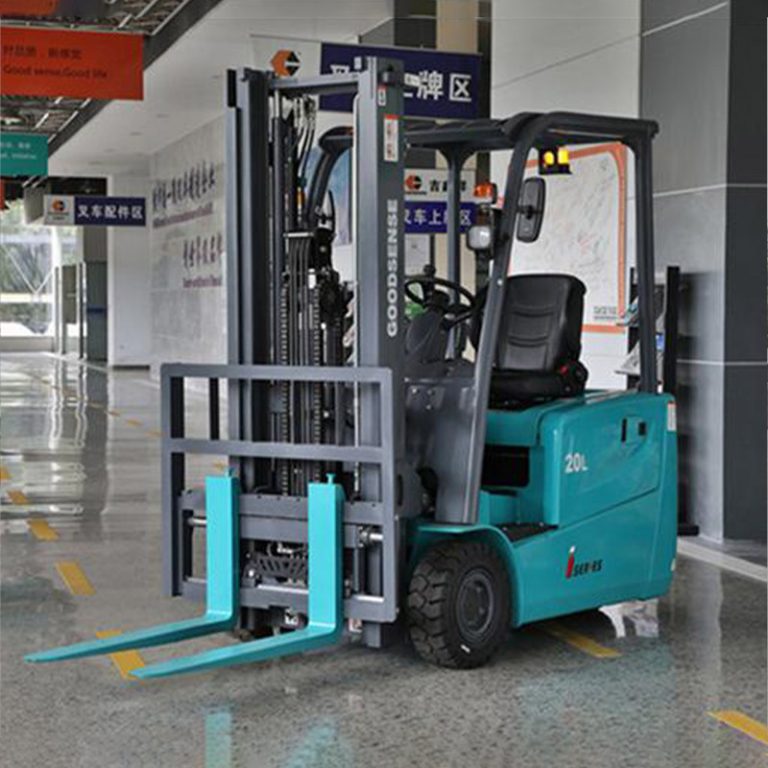
The verified JinChengYu material includes I-series three-wheel electric forklifts in documented 1.6, 1.8 and 2 tonne groups. It also includes E-series lithium catalogue groups from 1.5 to 3.5 tonnes, plus E2 and separate high-voltage or heavy-duty enquiry groups. These are catalogue references for discussion, not a promise that every configuration is currently available.
A three-wheel arrangement may be worth discussing when turning space matters, while another counterbalance format may suit a different route or load. The quotation should identify the exact model and its specification sheet. Compare like with like: rated capacity, load centre, mast, lowered height, attachment, battery and charger all belong on the same comparison.
- Load and working height
- Daily operating hours and breaks
- Available charging power
- Doorways and aisle dimensions
Plan battery and charging requirements
Tell us the normal shift length, busy periods, breaks and expected daily operating hours. Then state the available electrical supply and where charging can take place. This does not determine a battery automatically, but it lets the proposed battery and charger be discussed against the actual schedule instead of being chosen from a generic product label.
Ask the quotation to name the battery chemistry, rated values and matched charger for the exact truck. Also ask which items are included and which require separate supply. JinChengYu does not use one battery-life, charging-time or energy-saving claim across every model, because those results depend on the selected configuration and how the truck is used.
Check mast, aisle and doorway limits
Lift height and overall height answer different questions. Record the highest fork position needed and the lowest clearance the truck must pass beneath. If work takes place inside racking, include aisle width, rack face clearance and pallet orientation. An attachment can change the effective load position, so identify clamps, side shifts or other requirements before a truck is proposed.
Use the official HSE lift-truck guidance linked below as a general planning reference for workplace selection and operation. Local rules remain the buyer’s responsibility, and the reference is not evidence that a particular JinChengYu configuration meets a destination requirement. Request the documents needed for your market as a named line item in the enquiry.
- Load and working height
- Daily operating hours and breaks
- Available charging power
- Doorways and aisle dimensions
Prepare the quotation request
A useful request brings the commercial and technical inputs together: quantity, delivery country or port, load details, lift and clearance measurements, aisle or surface conditions, duty cycle, charging supply and requested documents. If a measurement is pending, mark it as pending instead of filling the gap with an assumption.
JinChengYu will use that information to discuss an appropriate catalogue group and a proposed configuration. Current availability, specification, documentation, packing, shipping scope and commercial terms must appear in the quotation. Keep that model-specific record for comparison with other offers and for your own operating review.
Questions before you enquire
Which electric forklift group should I compare?
Start with the load, required lift height, load centre and route. The verified catalogue includes I-series three-wheel, E-series lithium, E2 and separate high-voltage or heavy-duty enquiry groups. Ask for the exact model sheet rather than choosing from the family name alone.
What charging details belong in the enquiry?
Include daily operating hours, breaks, available electrical supply, charging location and any schedule constraints. The quoted truck should identify its battery and matched charger, including what is supplied.
Can capacity alone determine the right truck?
No. Load dimensions, load centre, lift height, mast clearance, attachment, aisle, surface, battery and charger can all affect the proposal. Share them together.
General safety references
These independent sources support the application and workplace questions on this page. They do not certify a product or replace the exact model manual, local rules or a site-specific assessment.