Mini Excavators and Excavator Equipment
A useful excavator enquiry describes the work before it names a machine. Share the digging task, access, transport limits, ground conditions, attachment and destination so JinChengYu can discuss the relevant mini, crawler or wheeled catalogue group.
Discuss this equipment ↗Define the digging task
Describe what the machine must do during a normal cycle: trenching, foundation work, landscaping, loading or another defined task. State the required working depth and the area available around the excavation. If spoil must be placed into a vehicle or over an obstacle, include that position as a separate requirement rather than assuming a general size label covers it.
Ground information matters at the enquiry stage. Note whether the surface is firm, soft, sloped or restricted, and explain what material will be handled. These observations do not replace a site assessment, but they help prevent an unsuitable comparison based only on a photograph or a broad tonnage group.
Catalogue options to discuss
- Mini and small crawler excavator enquiries
- Medium and large crawler excavators
- Wheeled excavator enquiries
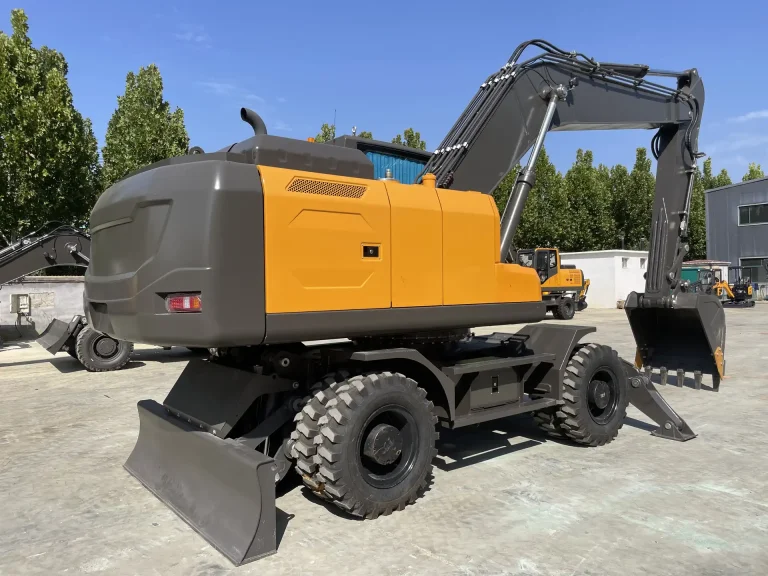
Compare mini, crawler and wheeled formats
The verified source material supports mini and small crawler, medium and large crawler, and wheeled excavator enquiry categories. It does not provide an approved model-by-model specification table. JinChengYu therefore treats these labels as routes into a requirements discussion, with the exact machine and current documentation confirmed in the quotation.
A compact work area may lead a buyer to ask about a mini excavator, while travel needs or site conditions may prompt a different format. Make that reasoning explicit in the enquiry. A tonnage group is a market description and should not be read as rated lifting capacity, digging force or any other unlisted performance figure.
- Digging depth and work area
- Access and transport limits
- Ground conditions
- Bucket or attachment requirements
Check access and transport limits
Measure the narrowest gate, doorway or route to the work zone. Record height restrictions, turning space and any surface that needs protection. For transport planning, identify the destination and the limits that the proposed machine must meet, then request confirmed dimensions and weight for the exact configuration offered.
Site traffic also needs deliberate planning. The HSE excavator guidance below discusses visibility, people near moving equipment and the need for a suitable working area. It is provided as general safety reading. The buyer must assess the actual site, operator requirements and applicable rules in the country where the equipment will be used.
Match buckets and attachments to the work
Name the attachment and the operation it must perform. A request for a trenching bucket, grading tool, breaker or other attachment should include material, working space and expected use. If you already own an attachment, provide its identification and interface details. Compatibility cannot be established from an attachment name alone.
Ask for the proposed attachment to appear in the quotation with the machine model. Any hydraulic, weight or operating limits should come from the approved model documents. JinChengYu will not invent bucket volume, breakout force, digging depth or engine data when the underlying model sheet has not been verified.
- Digging depth and work area
- Access and transport limits
- Ground conditions
- Bucket or attachment requirements
Prepare the quotation request
Send the task, required depth, access dimensions, ground description, attachment, quantity and destination in one message. Add photos or a drawing when the route is difficult to describe. State which technical and shipping documents you need, especially when they must be reviewed before an order decision.
The reply should identify a proposed configuration and the information available for it. Confirm model, dimensions, attachment, documentation, current availability, packing, shipping scope and commercial terms in writing. This page provides an enquiry route; it does not claim that every catalogue category or possible option is in stock.
Questions before you enquire
What details help shortlist a mini excavator?
Describe the digging task, working depth, access width and height, ground, attachment, transport limits and destination. Photos or a route sketch are useful when access is tight.
Are the listed tonnage groups rated lifting capacities?
No. They are catalogue group labels. Request the specification and any required capacity information for the exact proposed model.
How should I describe an attachment requirement?
Name the task and material, then identify the attachment type. If matching an existing attachment, include its plate, interface and hydraulic information for a model-specific review.
General safety references
These independent sources support the application and workplace questions on this page. They do not certify a product or replace the exact model manual, local rules or a site-specific assessment.